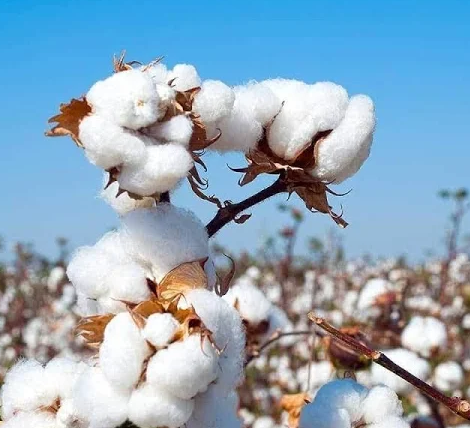
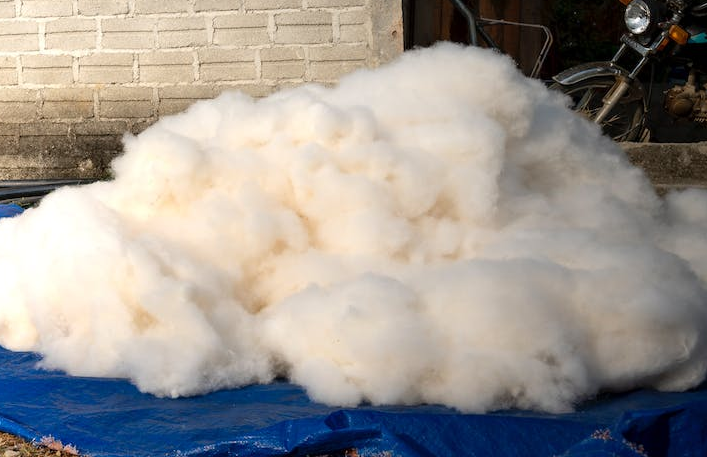
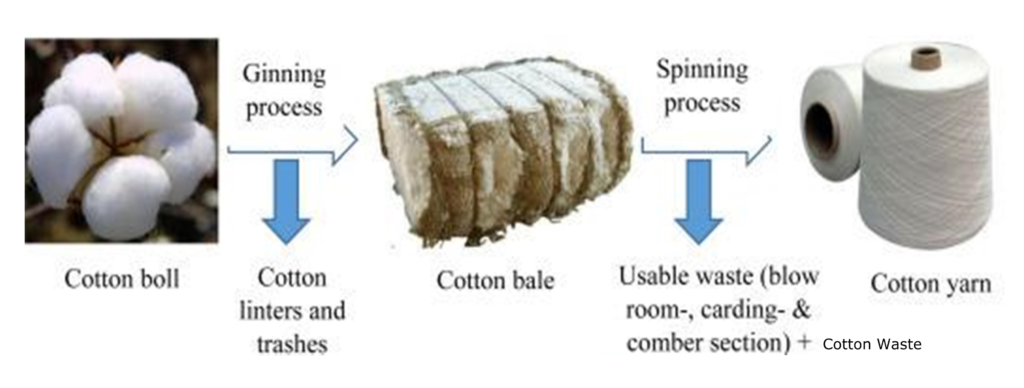
Cotton cultivation and ginning are widespread throughout the country, the conversion of cotton into yarn and garment bundles is more concentrated in specific regions of the nation.
In fact, India is the world’s largest producer of cotton, with cultivation covering approximately 11% of the total sown area. Major cotton-growing states include Tamil Nadu, Telangana, Maharashtra, Karnataka, Gujarat, and Andhra Pradesh
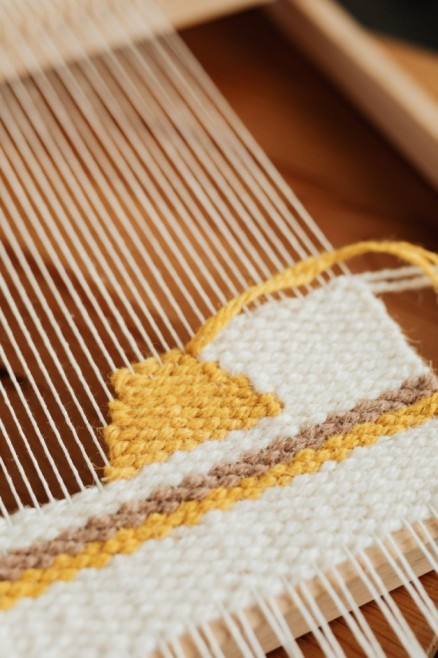
India also has a strong handloom and handicraft sector, where cotton is woven and transformed into garments at a local level using traditional techniques. Next big vision of India is “Cotton from bud to garment bundle level is produced in most parts of India”, to improve the better export opportunity for the next generation of Indian youth.
Complete Ecosystem: From cotton fields to spinning mills, dyeing houses, and skilled artisans, India boasts a complete textile ecosystem. This vertical integration allows for greater control over the entire garment-making process, resulting in garments that are authentic and true to their original forms.
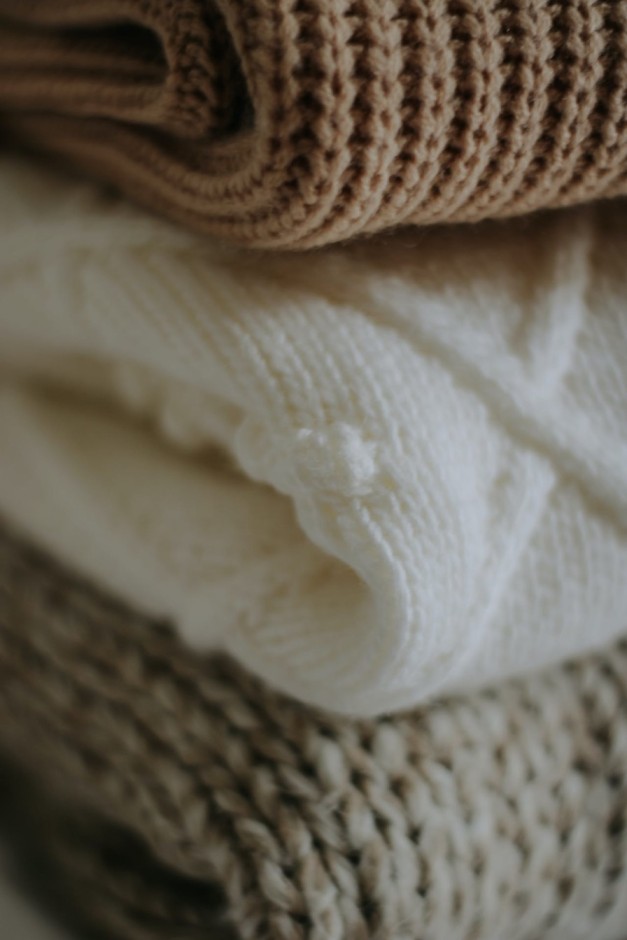
Cotton roots of India has a long and rich history of cotton production, dating back millennia. This readily available, natural fiber forms the foundation for many traditional garments like sarees, kurtas, and lungis. The comfort, breathability, and versatility of cotton make it a perfect choice for the diverse Indian climate and diverse styles.
Global Fabric Exporter: India is a powerhouse in fabric production, exporting its vibrant and intricately woven textiles to countries around the world. This not only showcases the expertise of Indian textile artisans but also influences global fashion trends with unique color palettes, patterns, and textures.
Complete Ecosystem: From cotton fields to spinning mills, dyeing houses, and skilled artisans, India boasts a complete textile ecosystem. This vertical integration allows for greater control over the entire garment-making process, resulting in garments that are authentic and true to their original forms.
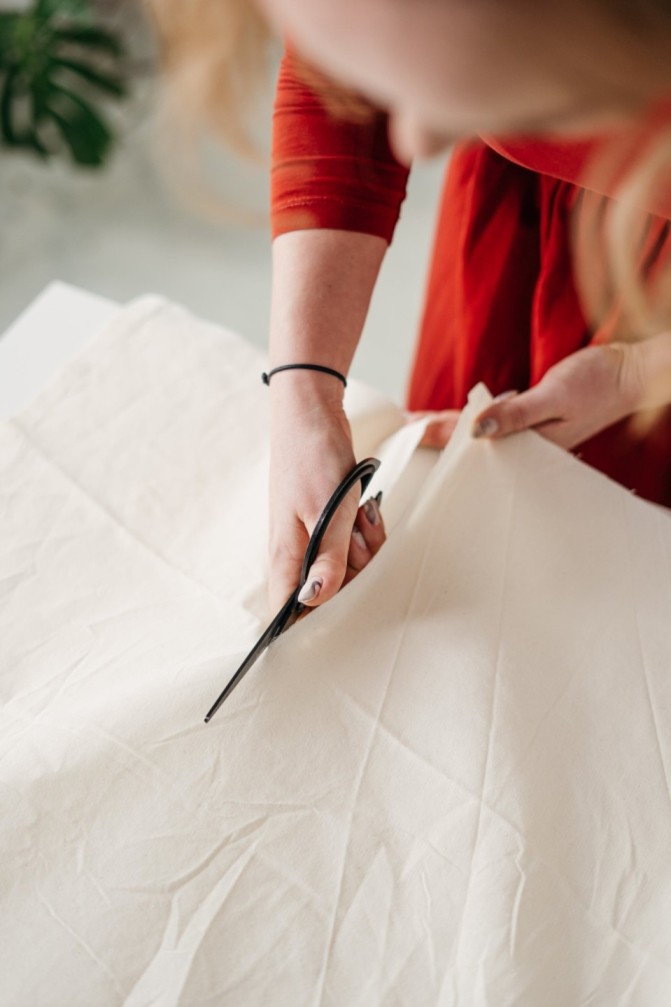
Handcrafted Techniques: Hand embroidery, tie-dye, block printing, and other traditional techniques are still widely used in Indian garment creation. These intricate, labor-intensive practices add a unique touch of human artistry and cultural heritage to every piece.
Garments Export For All Ages
Fiber production to garment manufacturing. This gives it a competitive advantage in the global market.
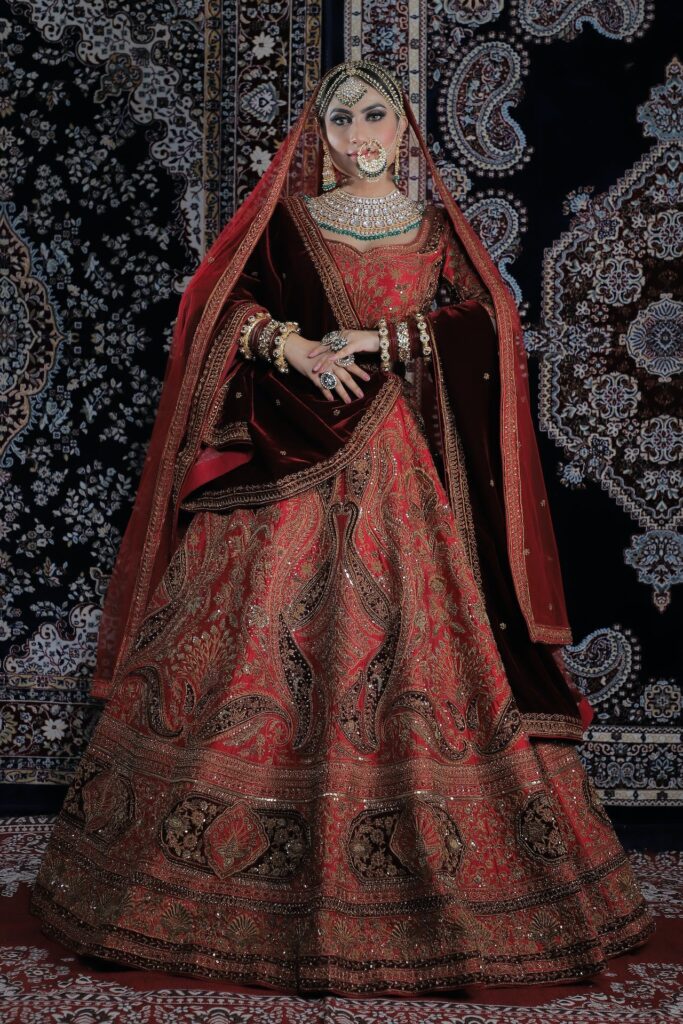
The apparel market in India is segmented into men’s wear, women’s wear, and kids wear. Men’s wear currently holds the largest share, but the other segments are also growing rapidly. The growing Indian economy among lower- and middle-income group and diaspora worldwide is a significant driver of demand for Indian apparel industry. For many in the Indian diaspora, wearing Indian wear evokes a sense of nostalgia and connection to their cultural roots. It allows them to express their heritage and identity, even when living far away from their homeland. Indian wear is generally known for its comfort and practicality. Fabrics like cotton and linen are ideal for warm climates, while styles like kurtas and pyjamas offer relaxed fits. Additionally, compared to some Western fashion trends, Indian menswear can often be more affordable, making it an attractive option for budget-conscious consumers. : Indian fashion designers are gaining international recognition, and their creations are finding their way onto global runways and in international stores.
Sarees
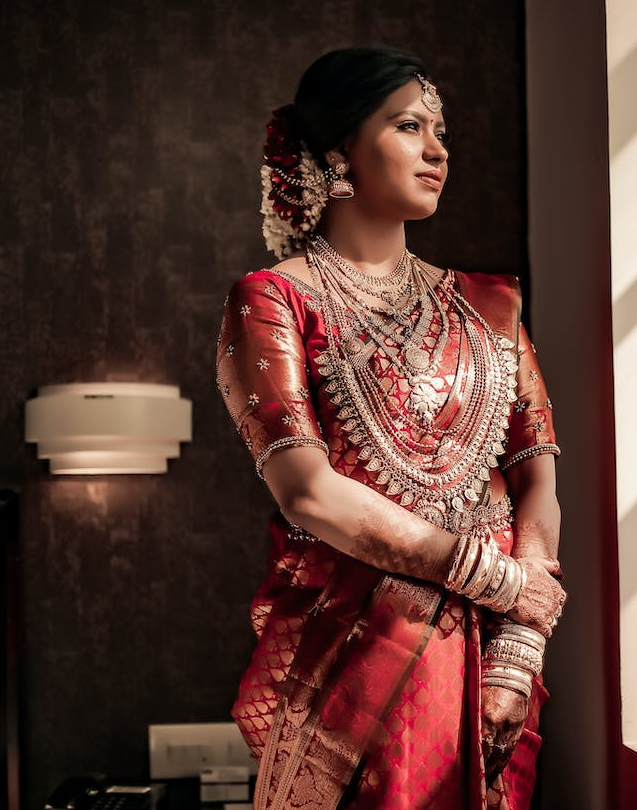
Silk sarees are a true crown jewel of the Indian textile industry and hold a significant edge in the export market.
India boasts a long and rich tradition of silk weaving, dating back millennia. This heritage has led to the development of countless regional styles, weaving techniques, and motifs, each with its own distinct character and beauty. From Kanjivaram to Banarasi, Paithani to Pochampalli, the sheer variety is unmatched by other Asian countries.
Material Superiority: India is home to some of the finest silk varieties in the world, like Mulberry, Muga, and Eri silk. These silks are known for their exceptional strength, luster, and drape, making them ideal for sarees.
India can offer silk sarees at competitive prices compared to other countries. This makes them accessible to a wider range of international consumers
Menswear
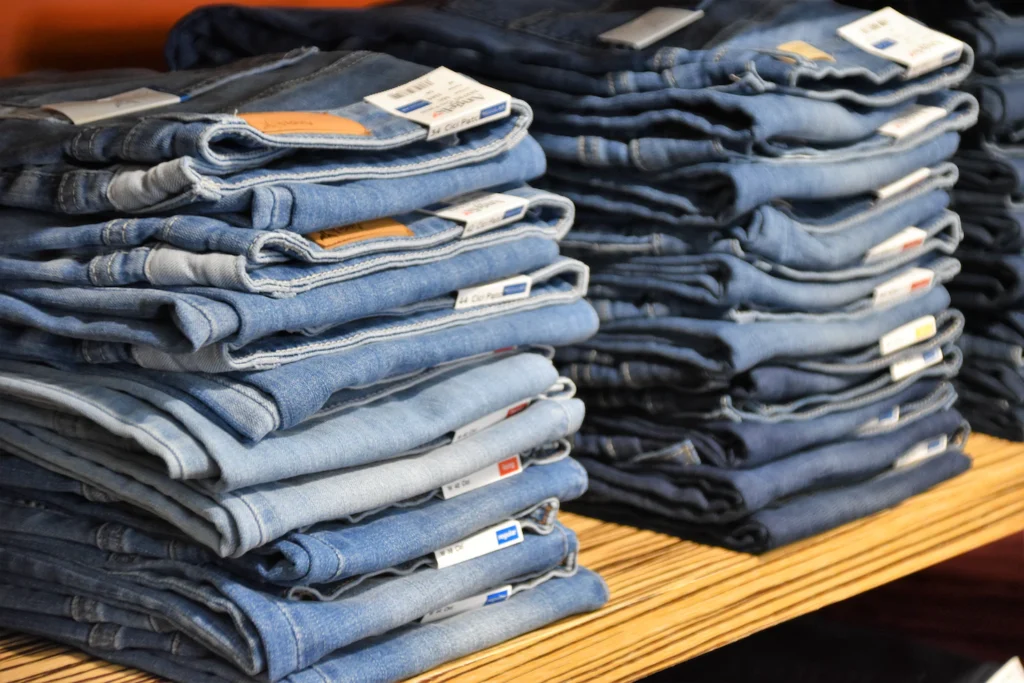
Indian menswear has undergone a significant evolution in recent years, blending traditional styles with contemporary trends. This has resulted in a wider variety of options that cater to the diverse tastes of the diaspora. From the fusion of kurta shirts with jeans to the modern interpretations of sherwanis, there’s something for everyone. Indian fashion designers are gaining international recognition, and their creations are finding their way onto global runways and in international stores.
Additionally, compared to some Western fashion trends, Indian menswear can often be more affordable, making it an attractive option for budget-conscious consumers. The fusion of Indian and Western styles has led to the rise of denim shirts with traditional embellishments or motifs.
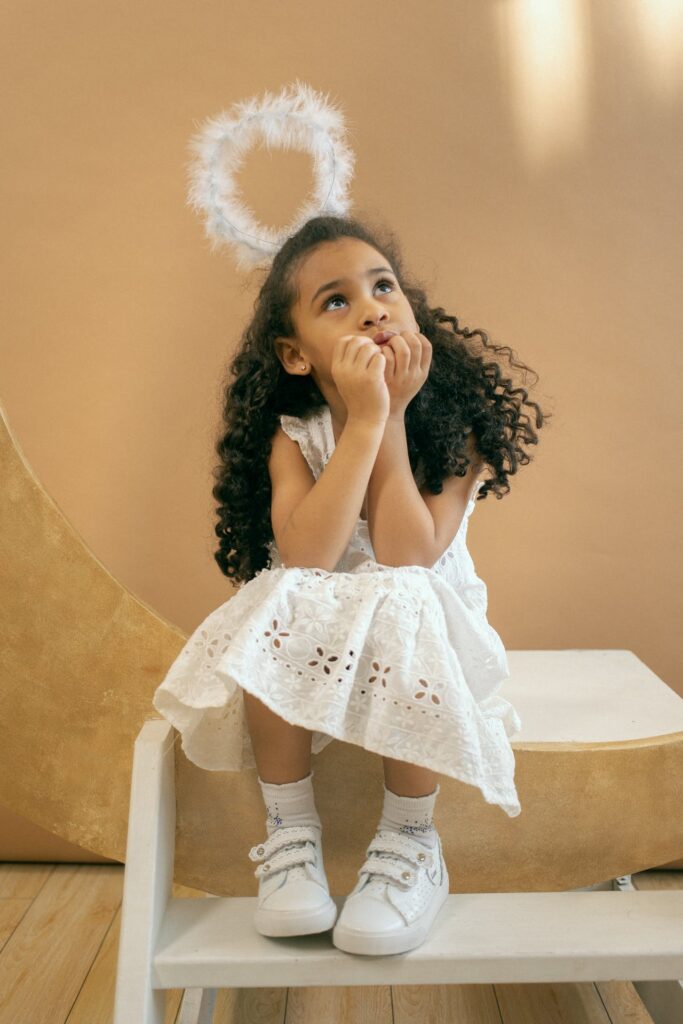
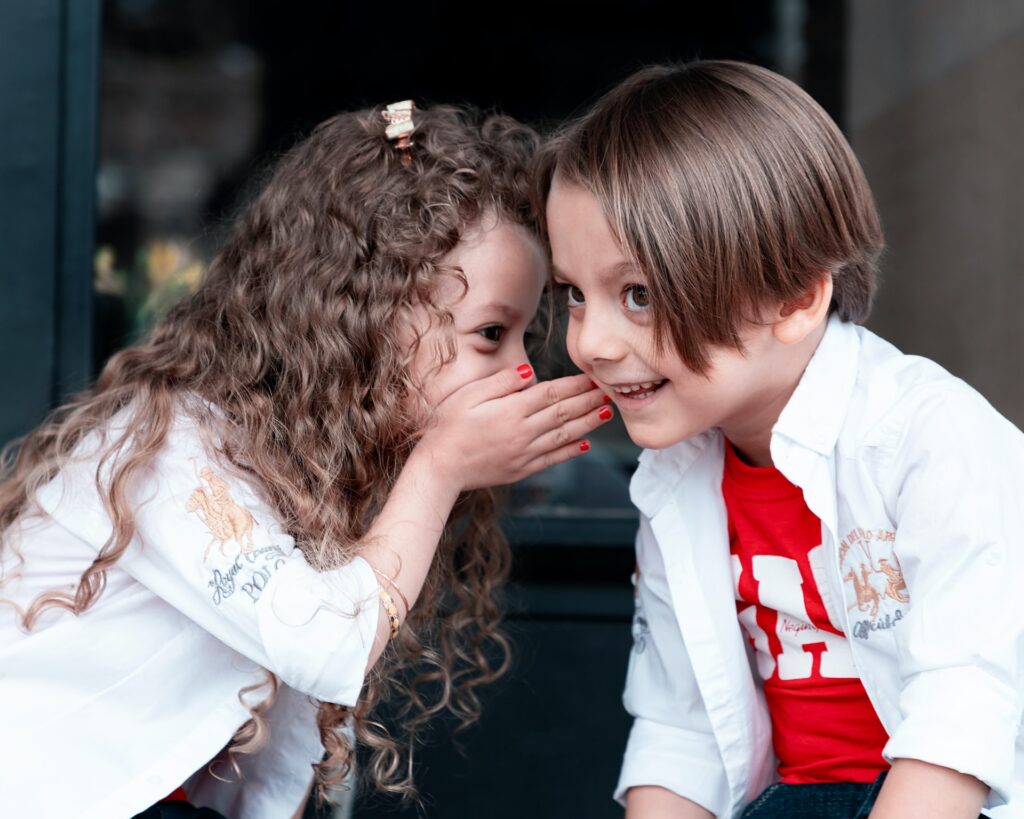
Comfort and Practicality When it comes to everyday wear, comfort and practicality reign supreme. Parents often choose Western-style outfits like jeans, t-shirts, and dresses for their kids, as they’re suitable for playing, running, and going to school. Children’s fashion is increasingly influenced by global trends. Popular cartoon characters, movie themes, and sportswear often find their way onto kids’ clothes, creating a more universal style
Kidswear
Many Indian parents navigate this cultural crossroads by incorporating elements of both Indian and Western styles into their children’s wardrobes. This could involve pairing a traditional kurta with jeans, accessorizing a dress with Indian jewelry, or choosing outfits with subtle Indian motifs. Indian parents often use traditional clothing to connect their children to their roots and cultural heritage. This can be seen in the popularity of vibrant kurtas, lehenga cholis, and dhoti pants for kids.