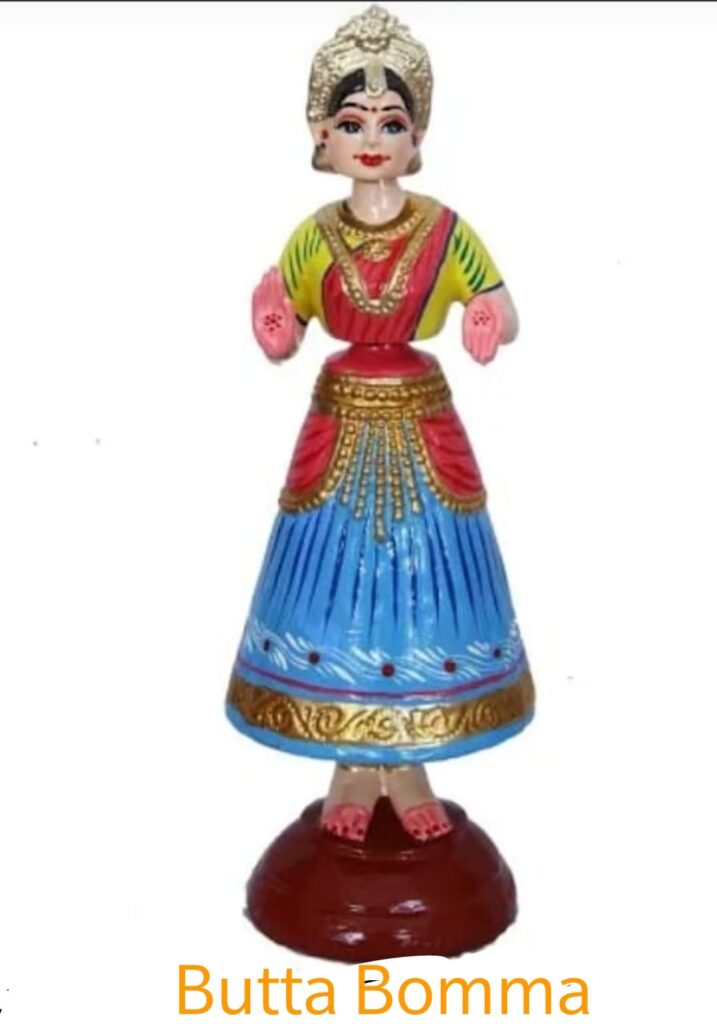
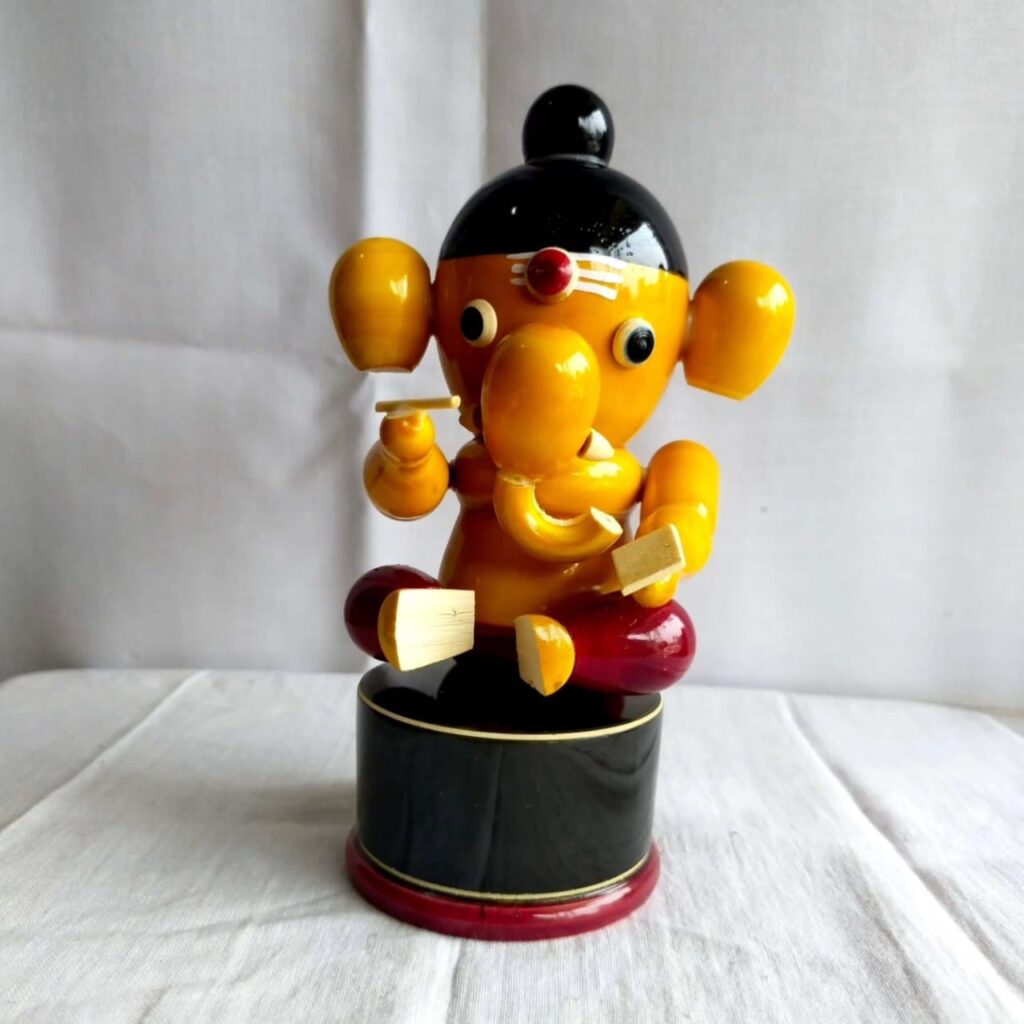
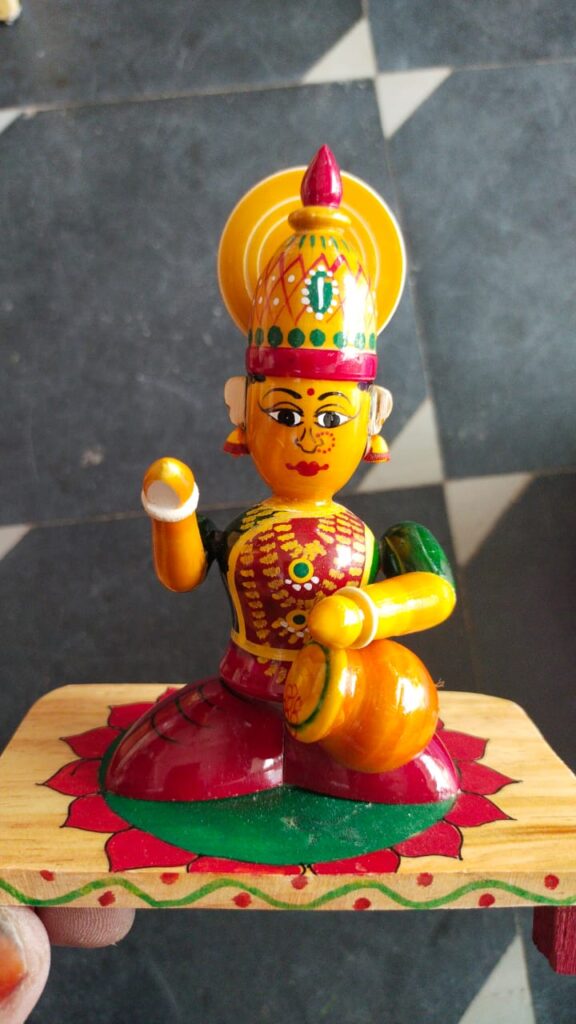
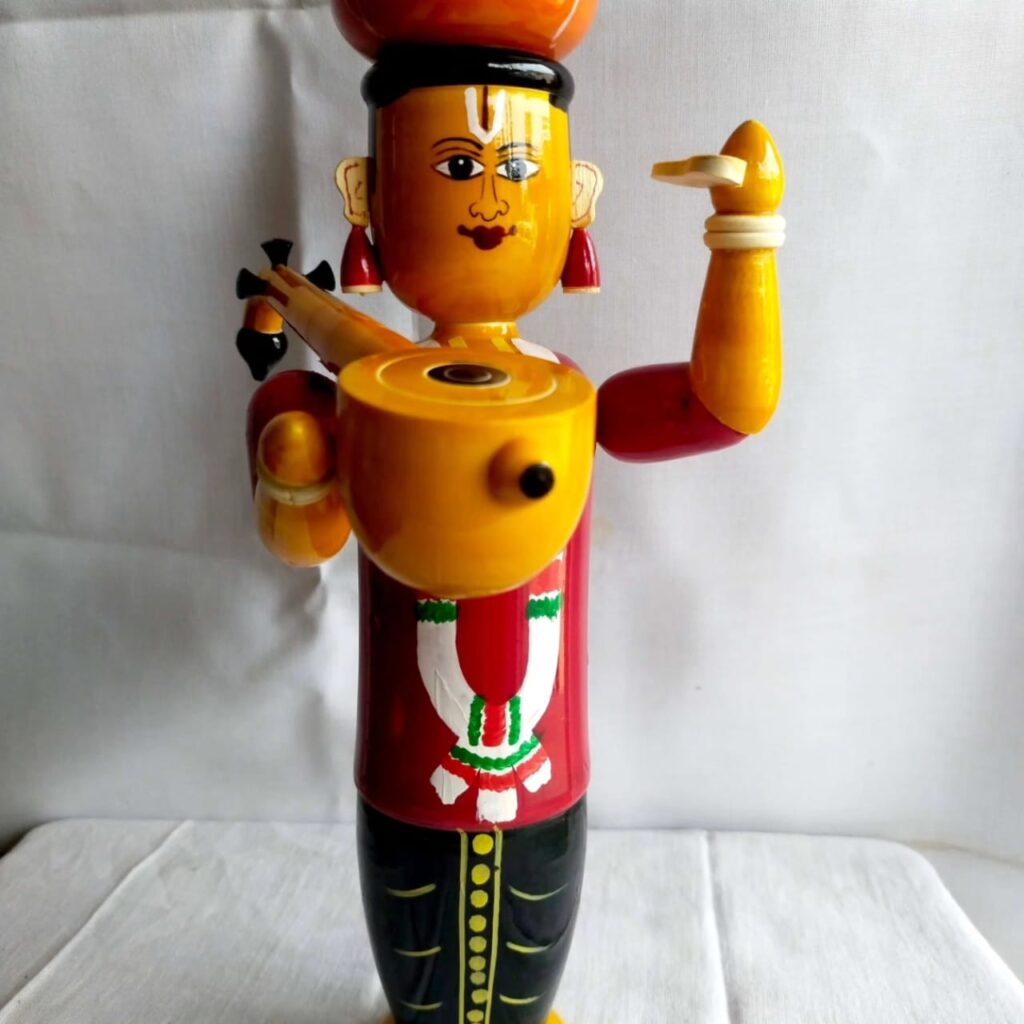
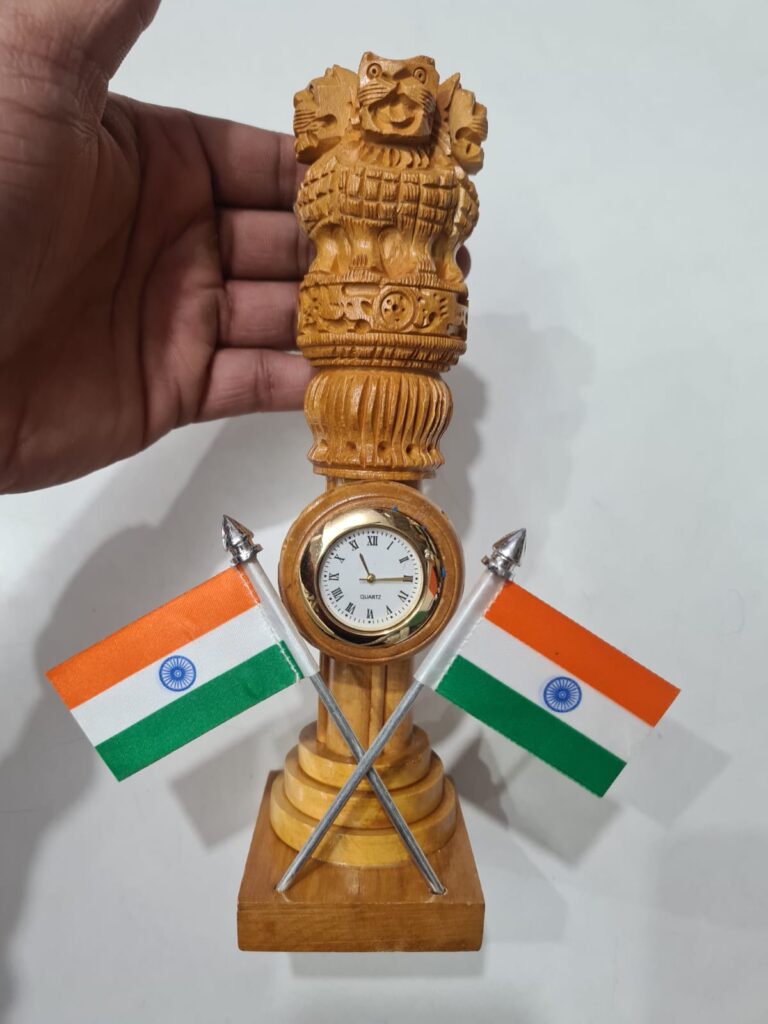
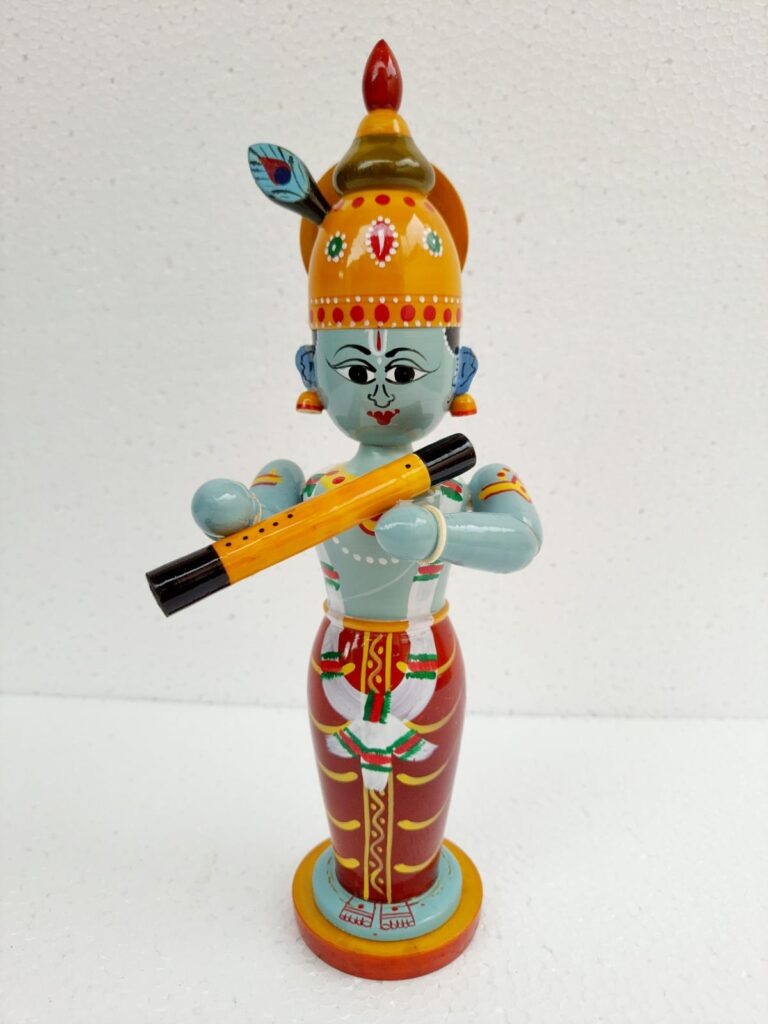
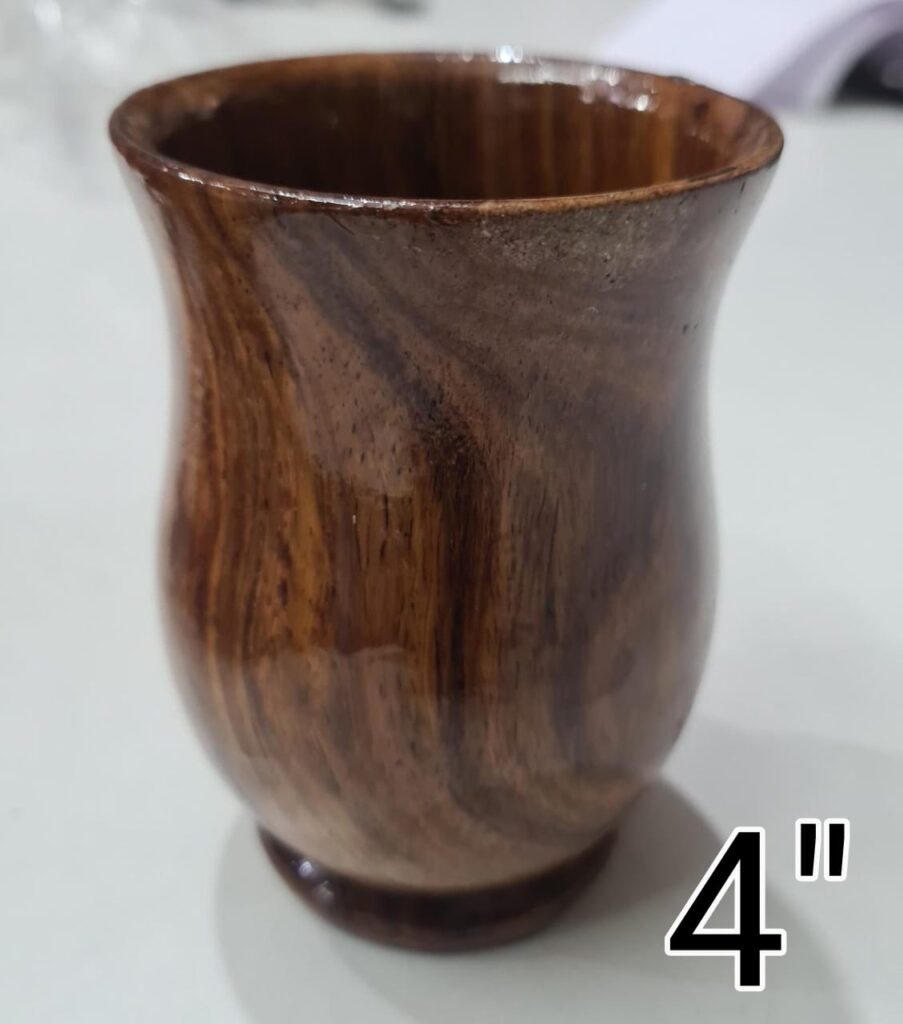
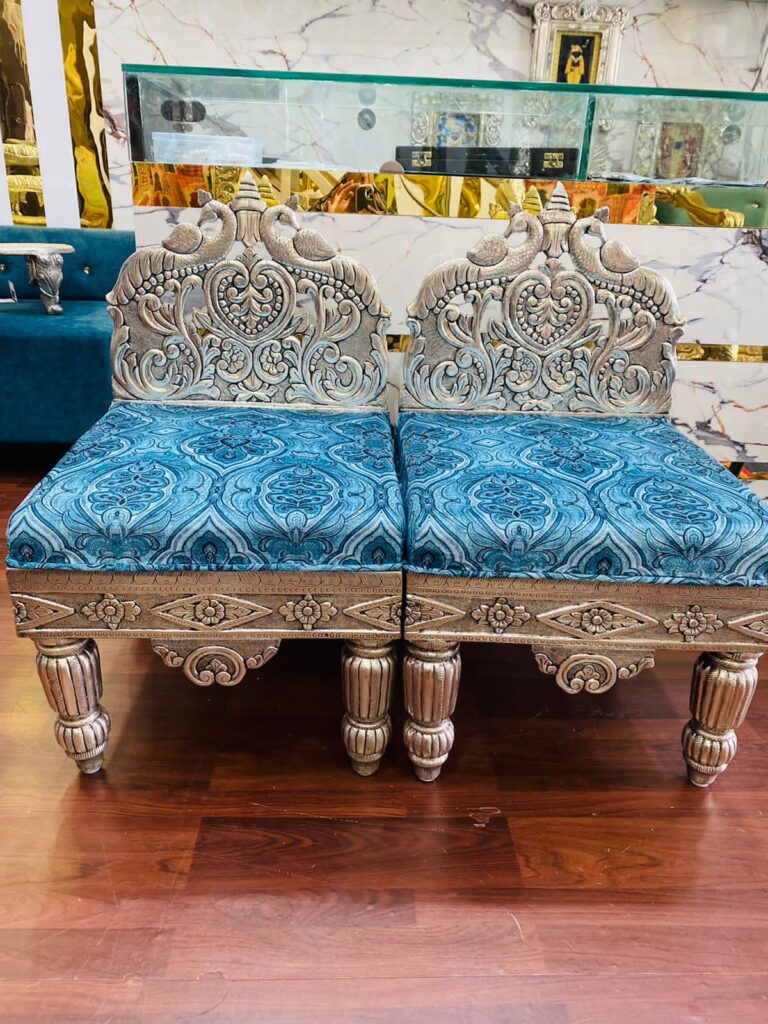
The centuries old the hand-made wooden toy making culture by the skilled Artisans, still exists in the remote villages of Indian states or provinces like Andhra Pradesh, Tamilnadu, Kerala and Rajastan.
A natural imaginary skills are embedded with the social fabric in making these wonderful toy from naturally available resources.
The artisans in these remote villages use locally available resources to create their toys. This speaks to the deep connection that these communities have with the natural world, and their ability to see the potential in simple materials.Here are a few examples of toys that children can make from natural resources:
Children can use sticks to create swords and shields for pretend battles.
These toys can help children to develop their problem-solving skills, their ability to think outside the box, and their appreciation for beauty and diversity.
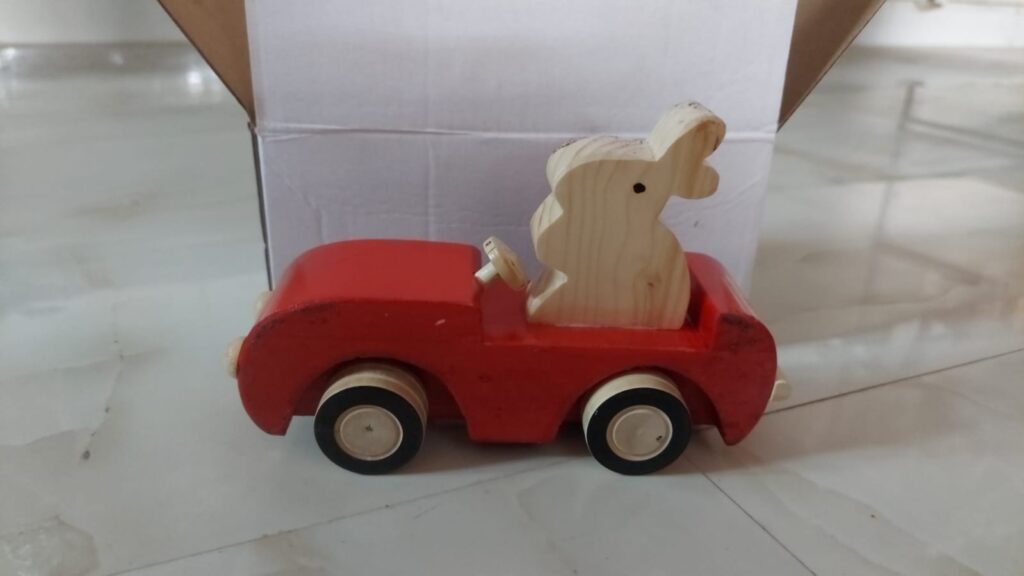
Locally available softwood is used for making
cars, trucks that they can race and crash,use the available toys to create their own stories and act.
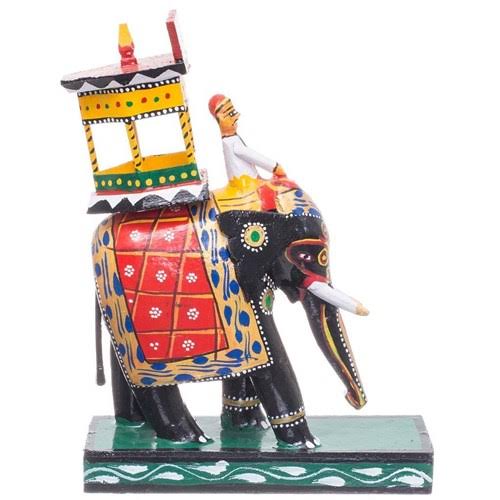
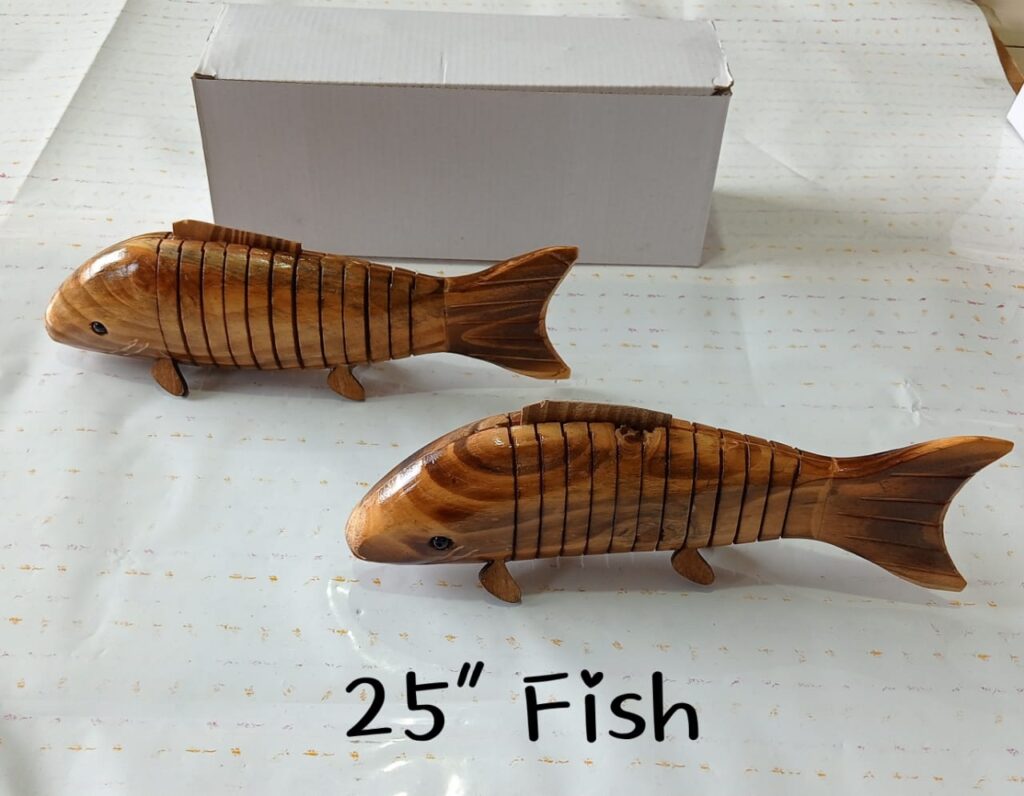
Dolls and animals that they can play with animals such as owls, bears, and squirrels.
Educational play based toys
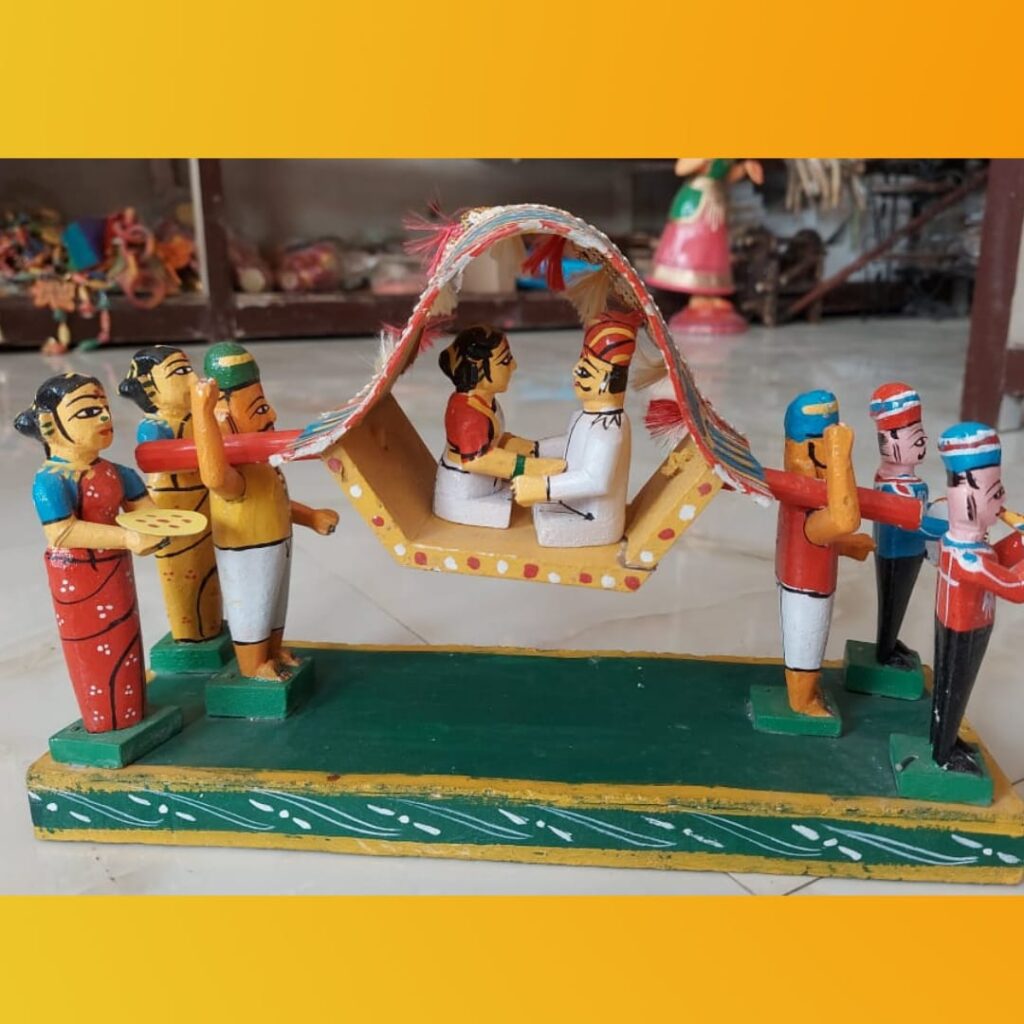
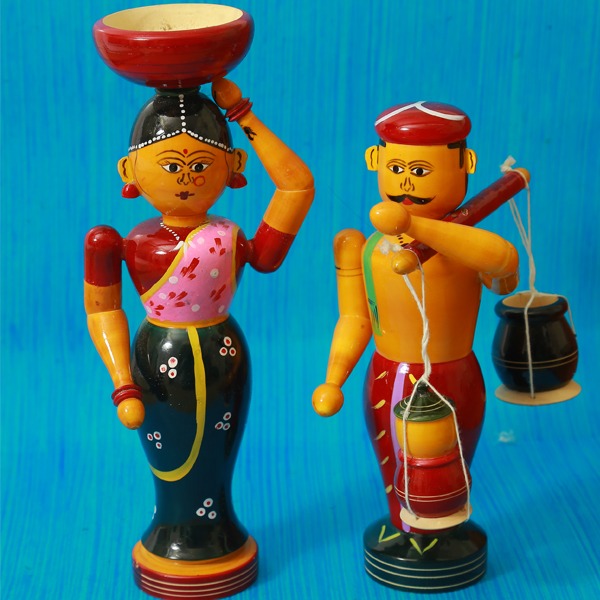
Human touch toys all ages with different professions
help on learning, become creative, imagine stories, building intelligent structure etc. Imagine that children would have a great deal of fun playing with these toys, and that they would also learn a lot about the natural world and their own culture in the process.
It is proved that the young minds, think and works several folds faster and better than adults. It is elder’s responsibility to provide opportunity to play, experiment and break the toys. Don’t mind. It gets excellent results and inculcate creative thoughts.
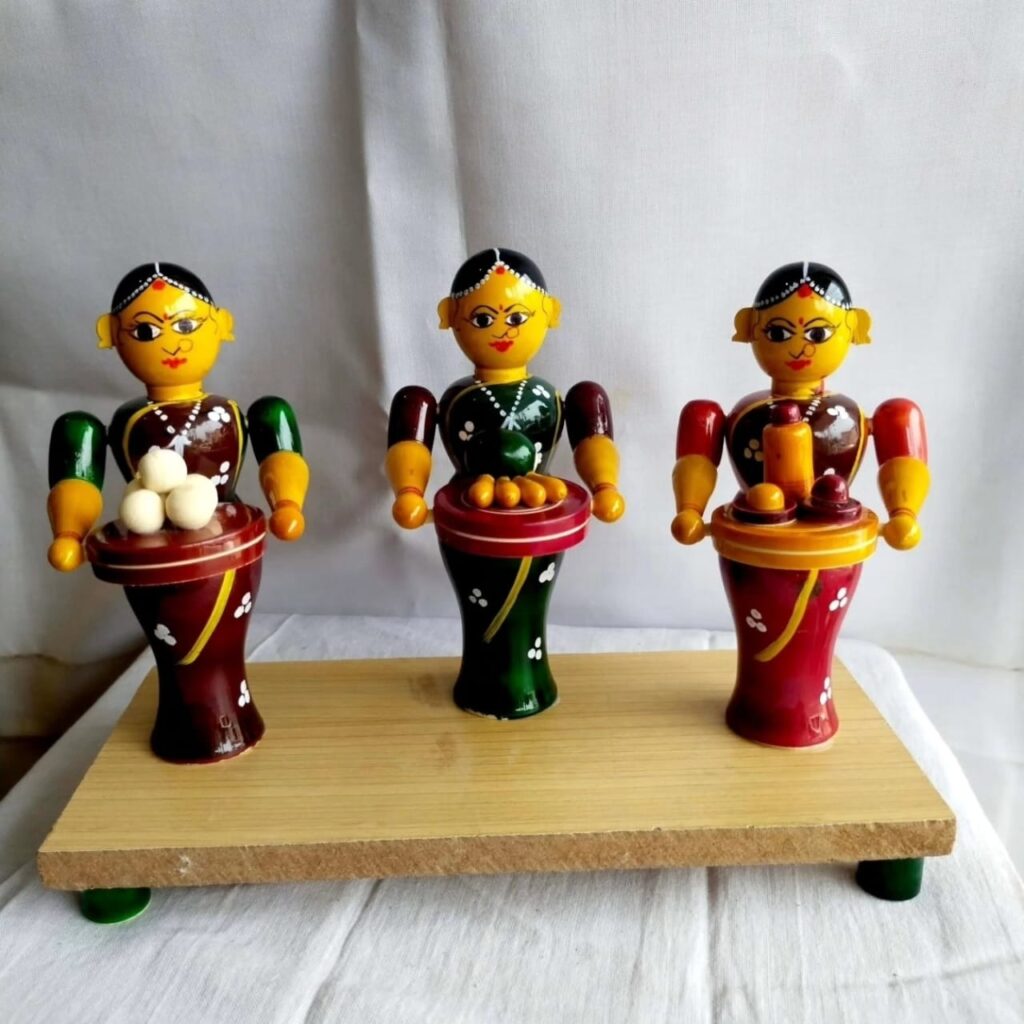
The toys are crafted from local light softwoods (Tella Poniki), clays and painted with vegetable dyes, and vibrant enamel colours.
Imaginative and intuitive storytelling dolls are a type of doll that can be used to encourage children to tell stories and use their imaginations. These dolls are often made with simple materials, such as cloth, yarn, and felt. They may have features that allow children to change their expressions or pose them in different ways.
Most loving responsibility of any individual is to preserve and spread their harmonious, harmless culture and tradition to the next generation. This is what the Indian ( Bharat ) way of living. This is there for centuries in India and around the world for whoever loves it. If we the elders recollect our childhood experiences, it used to be a great fun and educational way for learning, networking and joyful-growing. Unique way of up-bringing the children, help them create imaginative stories and develop communication, relationships, leadership qualities.. what not, it is so much beneficial to the children.
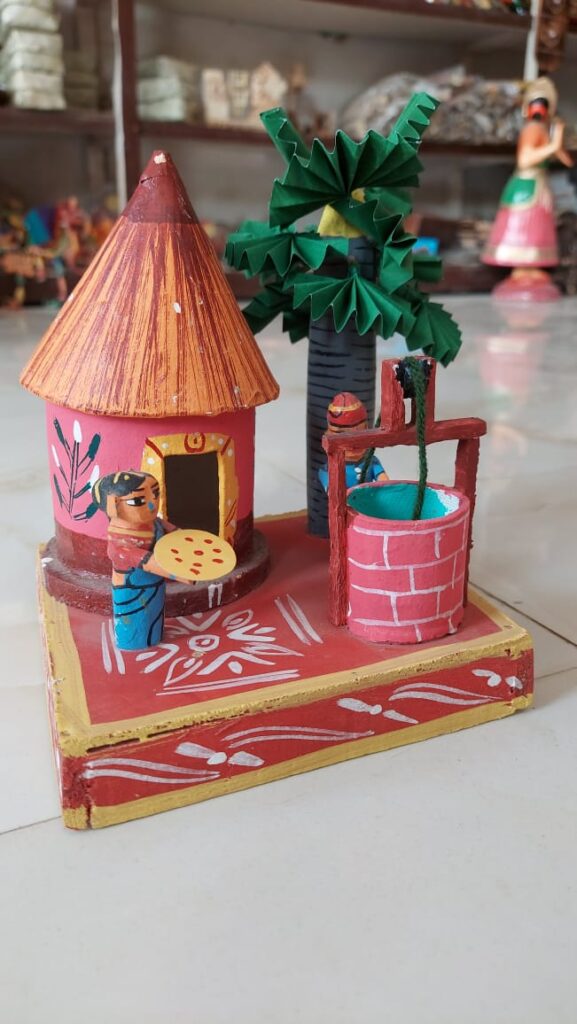
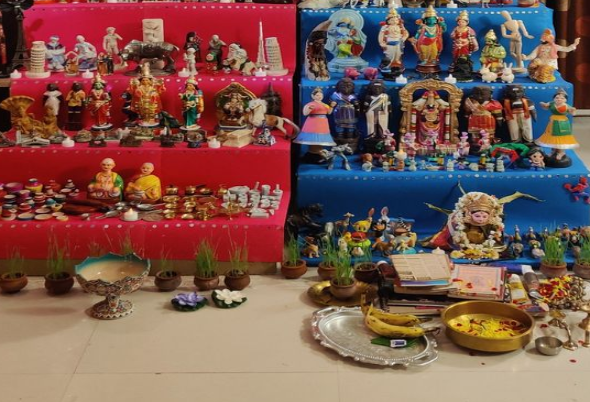
In the southern part of India in particular, Dussehra means the festival season for children and most the Hindu families decorate their houses with Bommala Koluvu (display of dolls). Bommala Koluvu, which is an integral part of the nine-day festival, witnesses exhibition of dolls of animals and birds and also figurines depicting the rural life of the Telugu community.
It is a traditional and artistic display of dolls by women in Hindu homes and temples. It is a tradition for girls, unmarried and married Hindu women. The dolls (also known as bommai/bommalu/bomme) are displayed on a series of an odd number of wooden steps/racks/planks.