Making lifesaving equipment and technology accessible to enthusiastic startups has the potential to revolutionize healthcare and save countless lives, especially during vulnerable times like the pandemic.
Investing in healthcare infrastructure in developing countries is not just a moral imperative but also a wise economic investment. A healthier population is a more productive population, leading to economic growth and development. Addressing social and economic determinants of health: Poverty, malnutrition, and lack of education all contribute to poor health outcomes.
Addressing social and economic determinants of health: Poverty, malnutrition, and lack of education all contribute to poor health outcomes. Investing in social and economic development programs alongside healthcare infrastructure improvements is essential for achieving long-term health equity.
Investing in healthcare infrastructure in developing countries is not just a moral imperative but also a wise economic investment. A healthier population is a more productive population, leading to economic growth and development.
While government interventions are crucial, individual engagement is equally important. We can all contribute by:
- Supporting startups working on healthcare solutions.
- Volunteering in community outreach programs to raise awareness.
- Advocating for policies that promote affordable healthcare technology.
Together, we can ensure that everyone has access to the tools and knowledge they need to stay healthy and safe, even during the most challenging times.
Addressing social and economic determinants of health: Poverty, malnutrition, and lack of education all contribute to poor health outcomes.
Addressing social and economic determinants of health: Poverty, malnutrition, and lack of education all contribute to poor health outcomes. Investing in social and economic development programs alongside healthcare infrastructure improvements is essential for achieving long-term health equity.
Strengthening healthcare facilities:
This goes beyond simply building new hospitals. It’s about ensuring existing facilities are well-equipped, maintained, and accessible to all communities. This includes providing clean water, sanitation, reliable electricity, and proper waste disposal.
Establishing robust supply chains: A dependable supply chain ensures essential medicines, equipment, and other medical supplies are readily available, even in remote areas. This requires improving transportation infrastructure, streamlining procurement processes, and fostering local production capabilities.
Encouraging technological innovation: Developing affordable and accessible medical technologies can dramatically improve healthcare outcomes in developing countries. This includes initiatives like telemedicine, mobile health clinics, and point-of-care diagnostics.
International collaboration: Sharing knowledge, expertise, and resources between countries can accelerate progress. This can involve partnerships between developed and developing countries, as well as collaboration among research institutions, NGOs, and private companies.
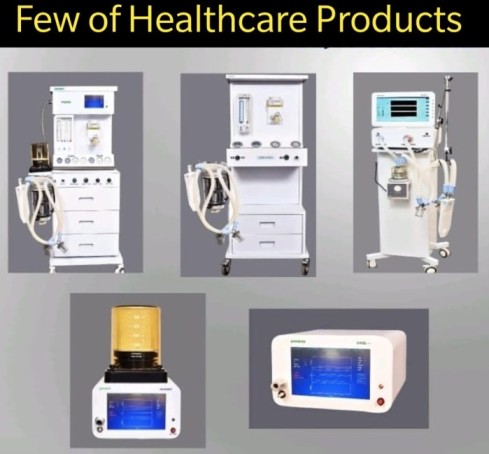
Low-Cost, High-Quality Medical Equipment
ANAESTHESIA MACHINE / ANAESTHESIA VENTILATOR / ICU VENTILATOR / ANAESTHESIA WORKSTATION / OXYGEN SYSTEMS / BLANKETS / GLOVES...
The “Make in India” mission has been a driving force in boosting India’s medical device industry and making it a global player. It’s encouraging to see how the initiative has:
- Empowered people of all ages: By creating a supportive environment for entrepreneurs and innovators, the mission has enabled individuals across generations to contribute to the development of high-quality medical equipment.
- Driven innovation: The focus on affordability and accessibility has led to the creation of low-cost, yet effective medical products that cater to a wider range of needs, both within India and abroad.
- Ensured quality and reliability: Adherence to international standards and certifications guarantees the quality and safety of Indian-made medical equipment, building trust and confidence among global users.
- Promoted exports: The combination of affordability and quality has made Indian medical equipment highly competitive in the international market, opening up new avenues for exports and economic growth.
- Strengthened after-sales support: The emphasis on genuine after-sales support further enhances the appeal of Indian medical products, assuring customers of reliable service and maintenance throughout the product’s lifecycle..
The development of low-cost, high-quality medical equipment is particularly commendable. This not only makes healthcare more accessible within India, but also opens doors for exports to other countries seeking affordable and reliable medical solutions. The adherence to international standards and certifications further strengthens the credibility of Indian-made medical products.