
India's diverse landscape, ranging from snow-capped mountains to sun-kissed beaches, contributes significantly to the development of its rich and fertile soil. Here's how:
Round-the-Corner Experience of All-Weather Seasons:
India experiences a variety of climatic conditions throughout the year, including hot summers, cold winters, and monsoon rains. This diverse weather pattern helps break down rocks and minerals, creating fertile soil. The hot summers decompose organic matter, adding nutrients to the soil. The monsoon rains provide essential moisture for plant growth and help transport nutrients deeper into the soil profile.
.
Massive River Belt Spread Length and Breadth of the Nation:
India’s intricate network of rivers spread from top Himalayas to bottom southern tip, like the Ganges, Indus, Yamuna, Brahmaputra, Cauvery, Narmada and Krishna-Godavari, plays a crucial role in soil development.
Sutlej+ tributaries: The largest five river belt produces the most fertile land. These originate from the Himalayas and flowing through Punjab, Haryana, Rajasthan, and Pakistan before joining the Indus River.
These rivers carry rich sediments from the mountains and deposit them on the plains, creating fertile alluvial soil. The annual flooding of these rivers further enriches the soil and replenishes its nutrients.
Unique Geography:
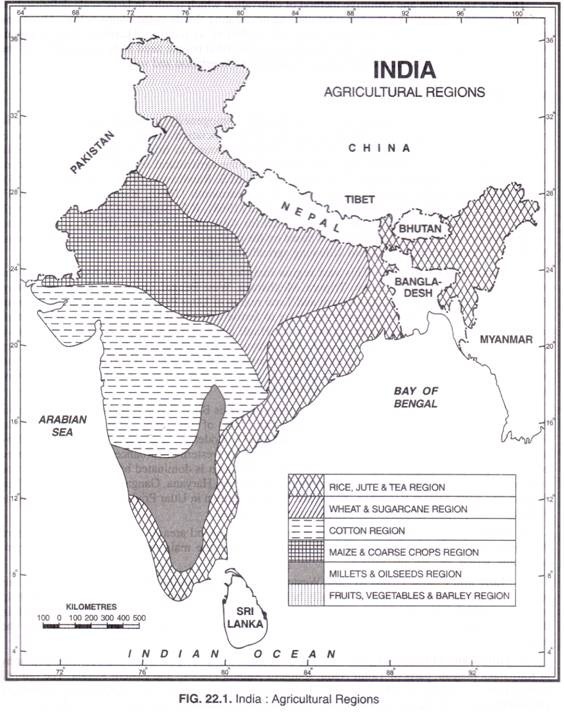
India’s geographical features, including the Himalayas, the Thar Desert, and the Deccan Plateau, contribute to varied soil types across the country.
- The fertile Indo-Gangetic plains in the north are ideal for wheat and rice cultivation.
- The Deccan Plateau in the south boasts black cotton soil, perfect for growing cotton.
- The red and lateritic soils of the southern peninsula are suitable for spices, fruits, and vegetables.
This unique combination of factors has resulted in the development of diverse and fertile soil throughout India. This rich soil supports a wide range of agricultural activities, making India a global leader in food production and contributing significantly to the world’s food security.
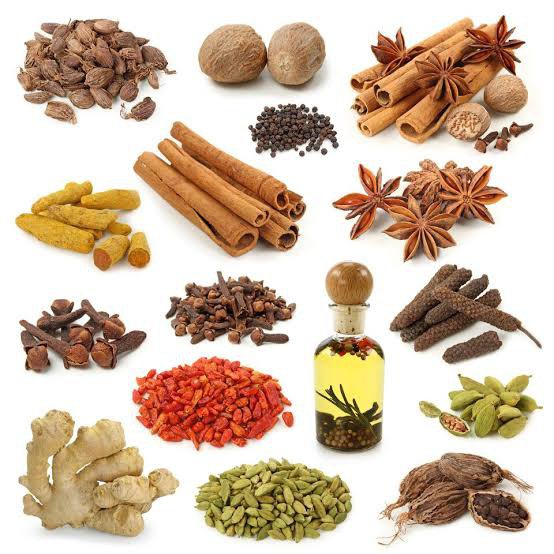
INDIAN SPICES
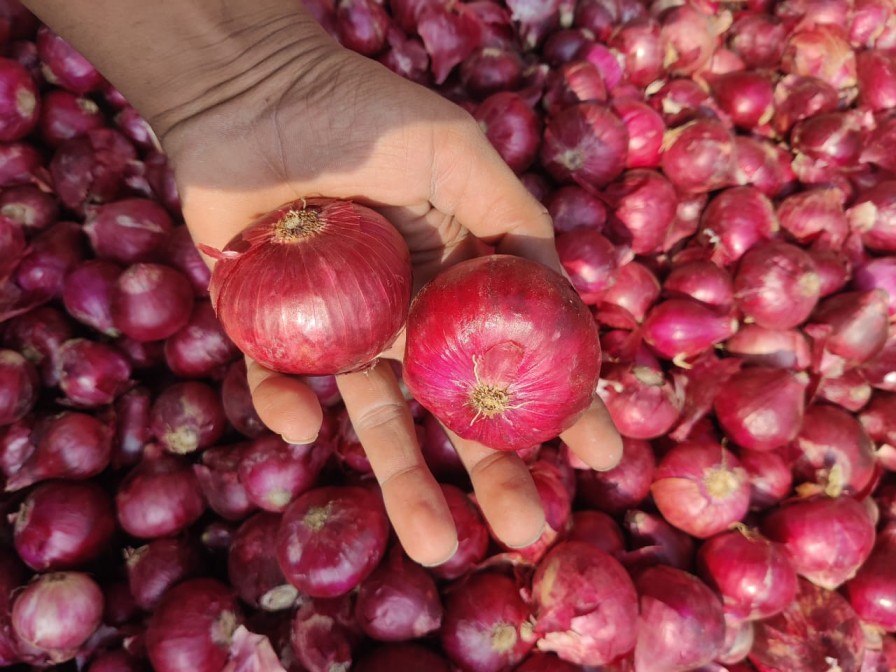
FRESH ONIONS
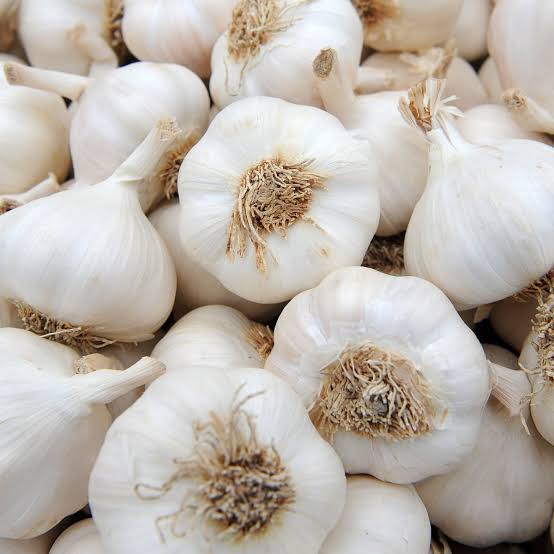
INDIAN GARLIC
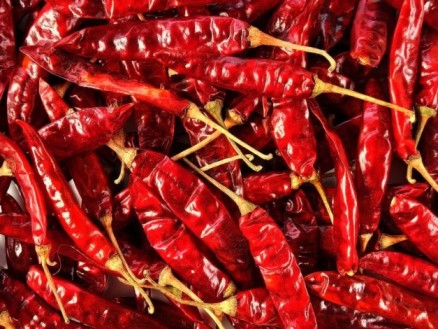
RED CHILLIES
India- a spice bowl of the world
India’s spices have been a source of fascination and allure for centuries, shaping history, influencing cuisines, and even leading to the establishment of new settlements. Here’s a deeper dive into the captivating world of Indian spices:
India’s diverse geography, with its fertile valleys, tropical rainforests, and highlands, creates the perfect conditions for a staggering variety of spices to thrive.
Variety and Diversity: India boasts an incredible variety of spices, each with its distinct flavor, aroma, and color. From the fiery heat of chilies to the earthy warmth of turmeric, the citrusy zest of ginger to the sweet fragrance of cardamom, Indian spices offer a sensory explosion.
Flavor and Aroma: Indian spices like black pepper, cardamom, turmeric, and ginger added unique taste profiles and fragrant complexities to food, revolutionizing dishes worldwide.
Indian spices were highly valued for their unique flavors, aromas, and medicinal properties. They were used to preserve food, enhance dishes, and treat various ailments.
Even today, India remains the world’s largest exporter of spices, accounting for over 40% of the global trade.
The southern tip of India, encompassing Kerala, Tamil Nadu, Karnataka and Andhra Pradesh played a particularly crucial role in the spice trade. These regions boasted ideal growing conditions for variety of spices.
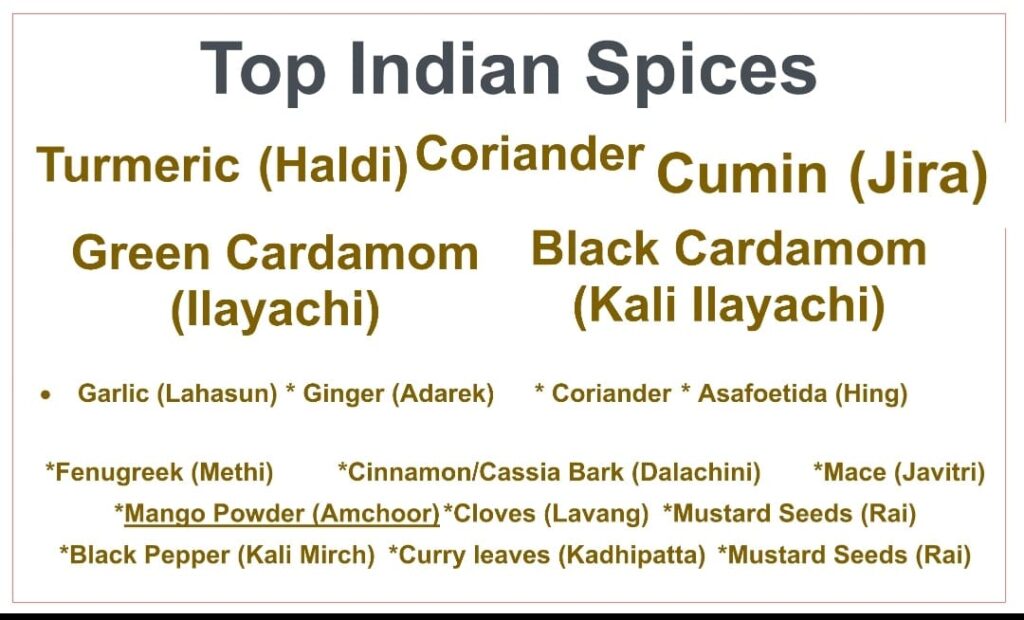
Flavor and Aroma: Indian spices like black pepper, cardamom, turmeric, and ginger added unique taste profiles and fragrant complexities to food, revolutionizing dishes worldwide.
Indian spices were highly valued for their unique flavors, aromas, and medicinal properties. They were used to preserve food, enhance dishes, and treat various ailments.
Even today, India remains the world’s largest exporter of spices, accounting for over 40% of the global trade.
The southern tip of India, encompassing Kerala, Tamil Nadu, Karnataka and Andhra Pradesh played a particularly crucial role in the spice trade. These regions boasted ideal growing conditions for variety of spices.
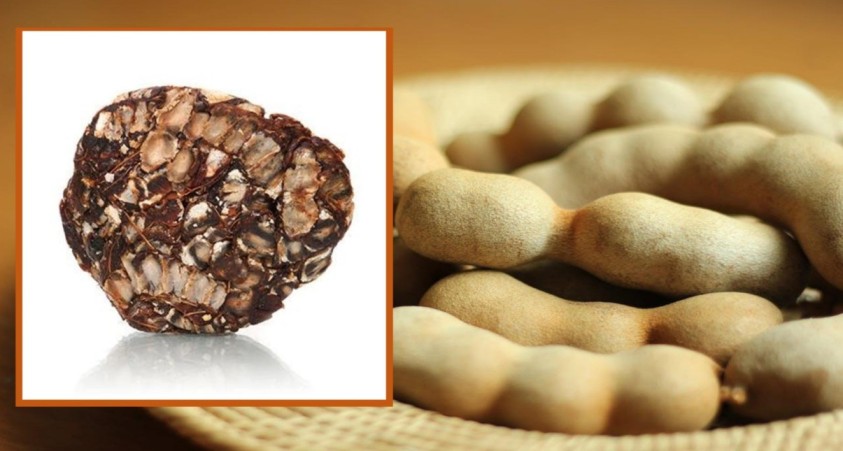
TAMARIND- THE INDIAN KITCHEN KING
It’s a nutritional powerhouse. Nutritional Bounty:
Tamarind is rich in vitamins A, C, E, B6, and K, as well as essential minerals like potassium, magnesium, calcium, and phosphorus.
- Antioxidants: Tamarind is packed with antioxidants that combat free radical damage, reducing the risk of cancer and heart disease.
- Digestive Aid: Tamarind has natural laxative properties and aids digestion for gut health.
Beyond the Pulp:
- Every part has beneficial uses:
* Leaves: Tamarind leaves have traditionally been used in Ayurvedic medicine for treating fever, malaria, and skin infections. Tamarind leaves and bark are used for treating skin conditions, relieving pain, wound healing.
Seeds: Ground tamarind seeds act as a thickener in jams, jellies, a binder in paints. Additional Uses:
Tamarind seed extract is used as a mordant in the textile industry to help dyes adhere to fabrics.
The extract is also used to polish wood and give it a natural shine.
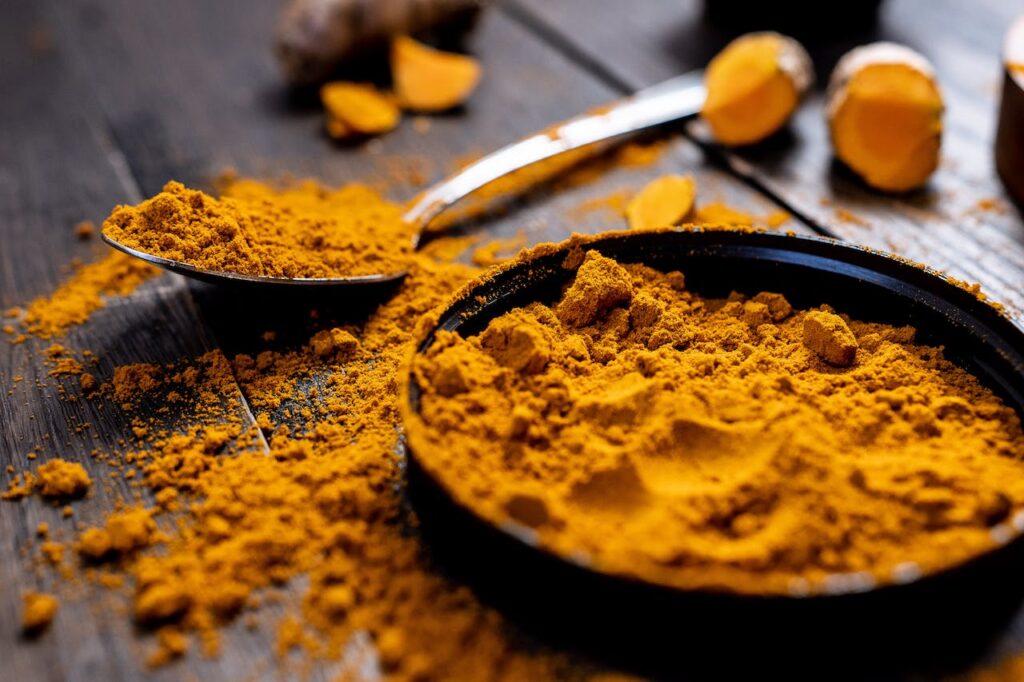
Turmeric - India’s A Geographical Gem
Turmeric is truly a wonder ingredient, deeply embeddedin Indian culture and tradition s.
Its vibrant yellow hue adds a touch of sunshine to dishes, while its earthy flavor and potent medicinal properties have made it a staple in households and Ayurvedic practices for centuries.
Here are some fascinating aspects of turmeric you mentioned:
- Versatile Superfood: From adding warmth to curries to brightening desserts, turmeric’s culinary uses are endless. Its liquid form, curcumin, is also gaining popularity for its concentrated health benefits.
- Auspicious Significance: In Hinduism, turmeric symbolizes purity, prosperity, and good luck. It’s used extensively in religious ceremonies, weddings, and auspicious occasions, bringing a touch of vibrant tradition.
- Medicinal Powerhouse: Turmeric’s active compound, curcumin, boasts a range of scientifically proven health benefits. It’s known for its anti-inflammatory, antioxidant, and even cognitive-protective properties.
- Geographical Gem: While turmeric is grown worldwide, India remains a major producer, with its unique soil conditions and traditional cultivation practices contributing to its distinct quality and flavor.
- Intellectual Property Battles: The immense potential of curcumin has sparked legal battles over its patenting, highlighting the importance of protecting this valuable natural resource and ensuring its benefits reach everyone.
It’s truly amazing how a single spice can hold such cultural, culinary, and medicinal significance. Thanks for sharing this insightful perspective on turmeric!
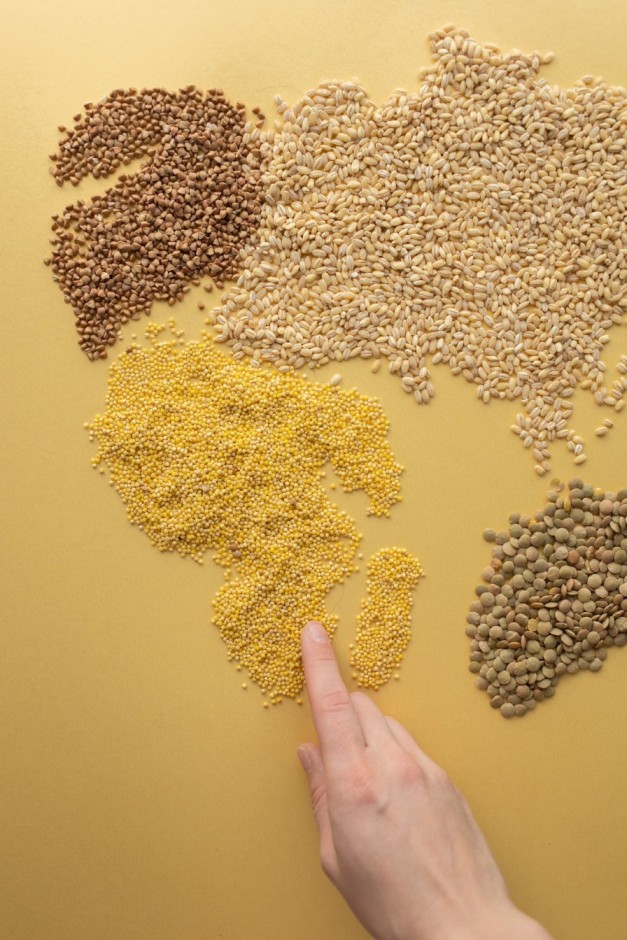
INDIAN MILLETS - For healty life
Indian millets are indeed a treasure trove of health and have been a staple food in India for centuries.
Millets: Not Just Indian, But Ancient and Diverse:
India remains a leader in millet cultivation, producing over 40% of the world’s millet crop.
Millets are nutritional powerhouses, packed with:
- Fiber: Aids digestion, promotes gut health.
- Protein: Supports muscle growth and make a strong body.
- Iron: Combats anemia and fatigue, keeping you energized.
- Calcium: Builds strong bones and teeth.
- Magnesium: Crucial for muscle and nerve function, regulates blood pressure.
- Antioxidants: Protect cells from damage and the risk of chronic diseases. Millets, like
- Pearl Millet (Bajra) …
- Foxtail Millet (Kakum / Kangni) …
- Finger Millet (Ragi) …
- Browntop Millet (Korle) are indeed experiencing a well-deserved comeback as a superfood, and for good reason. Packed with nutrients and boasting impressive health benefits, they’re a fantastic alternative to junk food.
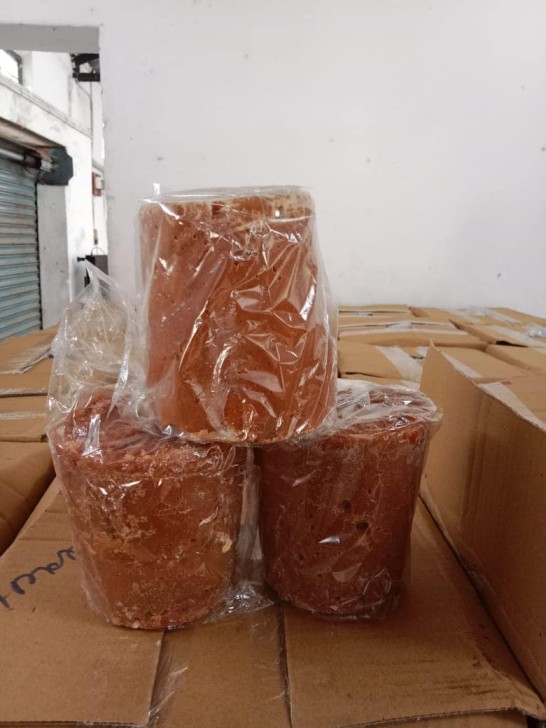
JAGGERY- Truly is a multi-faceted wonder
jaggery is more than just a sweetener; it’s a cultural icon, a health hero, and a sustainable champion. Exploring its various facets can open up new avenues for promoting its consumption and appreciating its unique value proposition.
- Molasses production: Uses to produce molasses for alternative, cheaper fuel adds another dimension to its versatility and economic potential.
- Mineral content: Minerals in jaggery, like iron, potassium, and magnesium, helps in health benefits even better.
- Sunny thirst quenching: Calling sugarcane juice a drink for “sunny thirst” is not only evocative but also emphasizes its popularity during hot Indian summers.
- Digestive Friend: Jaggery’s natural enzymes aid in breaking down complex carbohydrates, promoting smoother digestion and potentially reducing bloating and constipation.
- Sustained Energy: Unlike refined sugar, jaggery releases energy slowly and steadily, preventing sugar crashes and keeping you energized throughout the day.
- Festive Favorite: Jaggery plays a starring role in many Indian festivals and celebrations, symbolizing purity, prosperity, and good luck.
- Eco-Friendly Alternative: Jaggery production is relatively sustainable compared to refined sugar.
- Export Potential: The growing global demand for natural and healthy sweeteners opens up exciting opportunities for jaggery exports. Its unique flavor and health benefits can attract consumers worldwide.
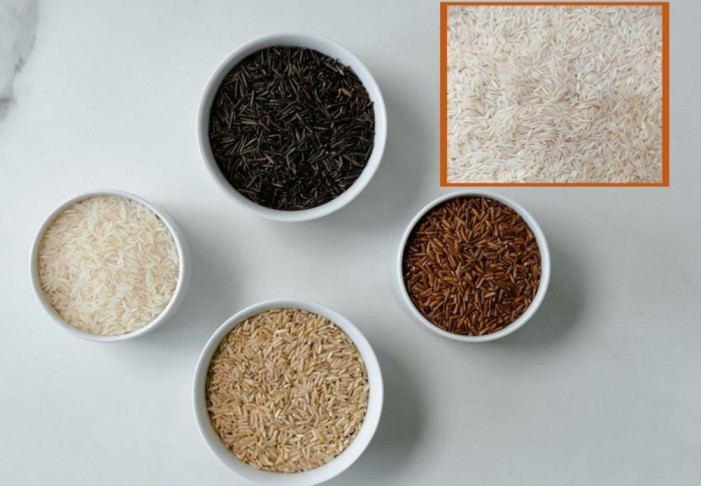
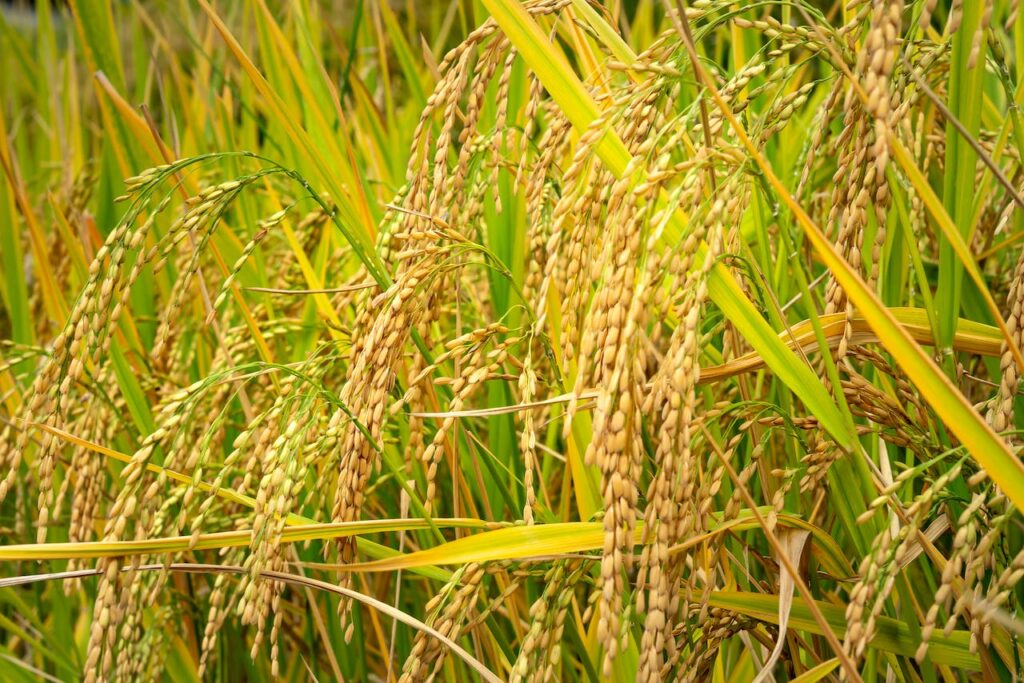
India - a rice bowl to the humanity
From the fertile plains of Punjab to the lush paddy fields of Andhra, Kerala, Karnataka, Tamil Nadu ..rice is woven into the fabric of Indian life. It’s no wonder then that India is considered the rice bowl of the world
The diverse soil cultures and water resources allow India to cultivate such a wide variety of rice, making it a global leader in both production and consumption. Here are some interesting points you mentioned:
- Variety is key: From the pearly perfection of polished rice to the earthy goodness of brown rice, from the aromatic allure of basmati to the humble practicality of broken rice, each variety offers its own unique flavor and texture, contributing to the rich tapestry of Indian cuisine.
- Global impact: Not only does rice feed millions within India, but it also plays a crucial role in contributing to global food security through exports including the USA, Middle East sharing its bounty and playing a vital role in global food security.
- Beyond rice: While rice reigns supreme, wheat also holds a significant place in the Indian diet, further illustrating the country’s rich culinary landscape.
It’s fascinating to see how rice, beyond being just a staple food, is deeply woven into the cultural fabric of India. Its versatility, affordability, and adaptability make it a true symbol of resilience and resourcefulness